Ellis Long · 4 September 2026
Coastal Trail Innovations: Drawing on Textile Patterns and Border Migration Histories for Climate Adaptation
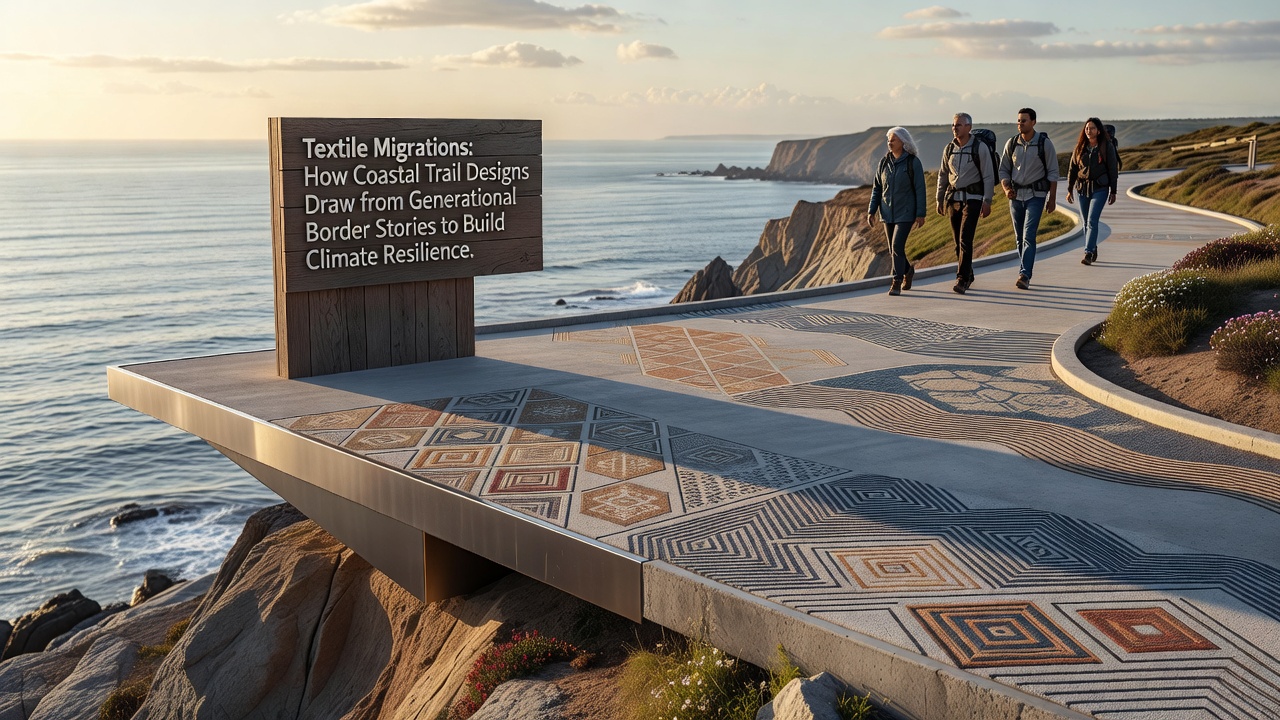
Coastal regions face increasing pressures from rising sea levels and intensified storm patterns, and planners have turned to historical textile designs and stories of generational border crossings to shape new trail systems that enhance resilience. These approaches integrate flexible materials and route layouts that mirror the adaptive qualities found in traditional weaving techniques passed down through families who navigated shifting boundaries over decades. Data from coastal monitoring programs shows that such hybrid designs reduce erosion rates by distributing foot traffic and water flow more evenly across vulnerable shorelines.
Historical Foundations in Textile and Migration Narratives
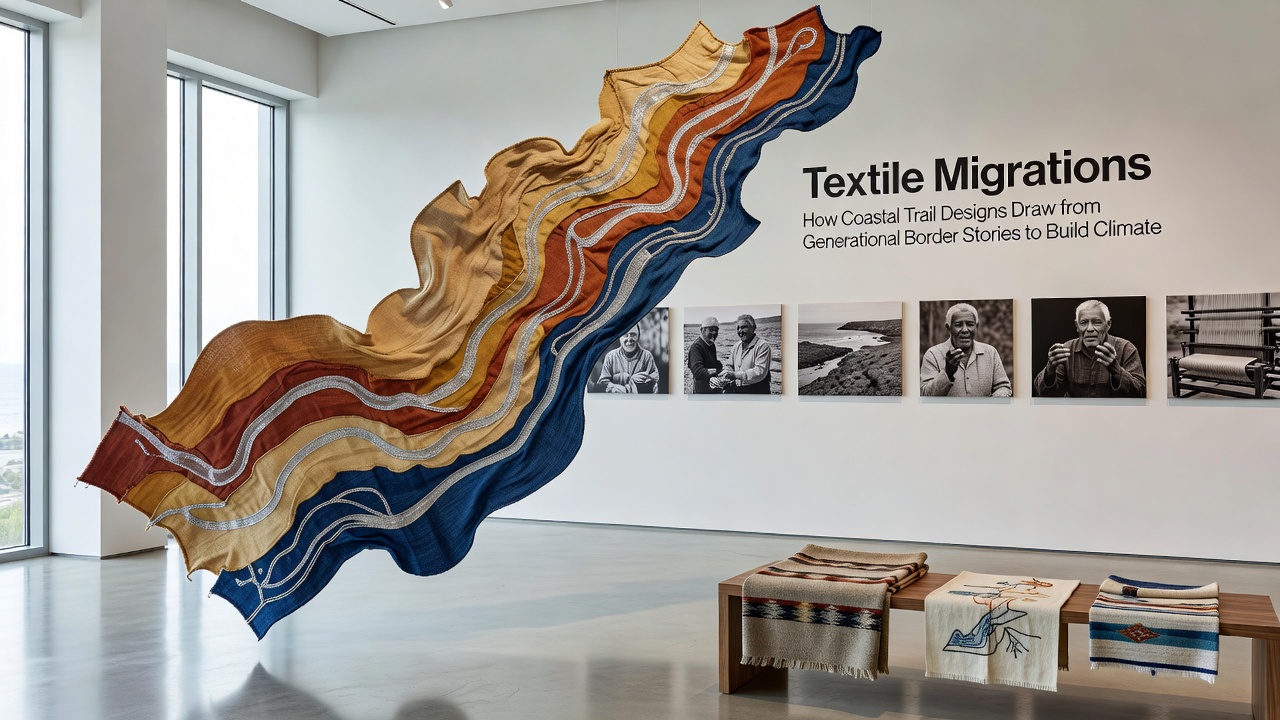
Textile traditions often encode knowledge about movement and adaptation, as patterns in fabrics from border regions reflect seasonal migrations and responses to environmental changes. Researchers at institutions across North America and Europe have documented how these visual and structural elements translate into trail engineering, where segmented paths and permeable surfaces echo the interlocking threads in woven goods. In September 2026, a collaborative report from the European Environment Agency and Australian coastal research centers will detail case studies from multiple continents that demonstrate measurable improvements in habitat connectivity when these principles guide construction.
Border stories provide another layer, as accounts from communities displaced by political or ecological shifts highlight routes that followed natural contours rather than rigid lines. Observers note that trail designers incorporate these narratives by creating pathways with variable widths and elevations that allow for natural sediment movement, which helps buffer against flooding. Studies indicate that trails built this way maintain functionality longer during extreme weather events compared to conventional straight alignments.
Design Elements and Climate Resilience Mechanisms
Trail layouts frequently feature repeating motifs derived from textile geometries, such as diagonal reinforcements and layered barriers that mimic fabric folds. These features channel runoff while permitting vegetation regrowth, and evidence from pilot projects along the Atlantic seaboard reveals lower maintenance costs over five-year periods. Engineers combine local materials with imported knowledge from migration histories to create modular sections that can be adjusted as conditions evolve, much like how woven structures accommodate expansion and contraction.
What's notable is the emphasis on connectivity between fragmented coastal zones, where trails serve as both recreational routes and ecological corridors. Figures from government agencies in Canada and the United States illustrate how these networks support species movement during habitat transitions caused by warming temperatures. The integration of generational knowledge ensures that designs account for long-term variability rather than short-term averages alone.
Implementation Across Regions and Emerging Data
Projects in the Pacific and Mediterranean basins apply similar methods, drawing from distinct textile heritages and border experiences to tailor solutions to local geology and climate projections. A university-led analysis from New Zealand institutions highlights how such trails have stabilized dune systems against incremental sea level increases recorded over the past decade. Planners coordinate with community archives to verify that route placements align with historical movement patterns, which adds cultural continuity while addressing practical resilience needs.
Monitoring programs track metrics like soil retention and vegetation density, and preliminary results suggest positive trends in areas where textile-derived patterns guide the spacing of boardwalks and retaining elements. International organizations focused on sustainable infrastructure continue to compile datasets that compare outcomes across different coastal settings, revealing consistent advantages in adaptability.
Conclusion
Trail systems informed by textile migrations and border narratives represent a synthesis of cultural records and engineering practices that address contemporary coastal challenges. Ongoing evaluations scheduled through late 2026 will provide further quantification of their performance under varied conditions, supporting broader adoption where data supports the approach. This method continues to evolve as new observations from field applications inform refinements in design protocols.