Riley Friedrich · 18 September 2026
Longitudinal Research Connects Early Trail Mapping Skills With Stronger Career Decision Making
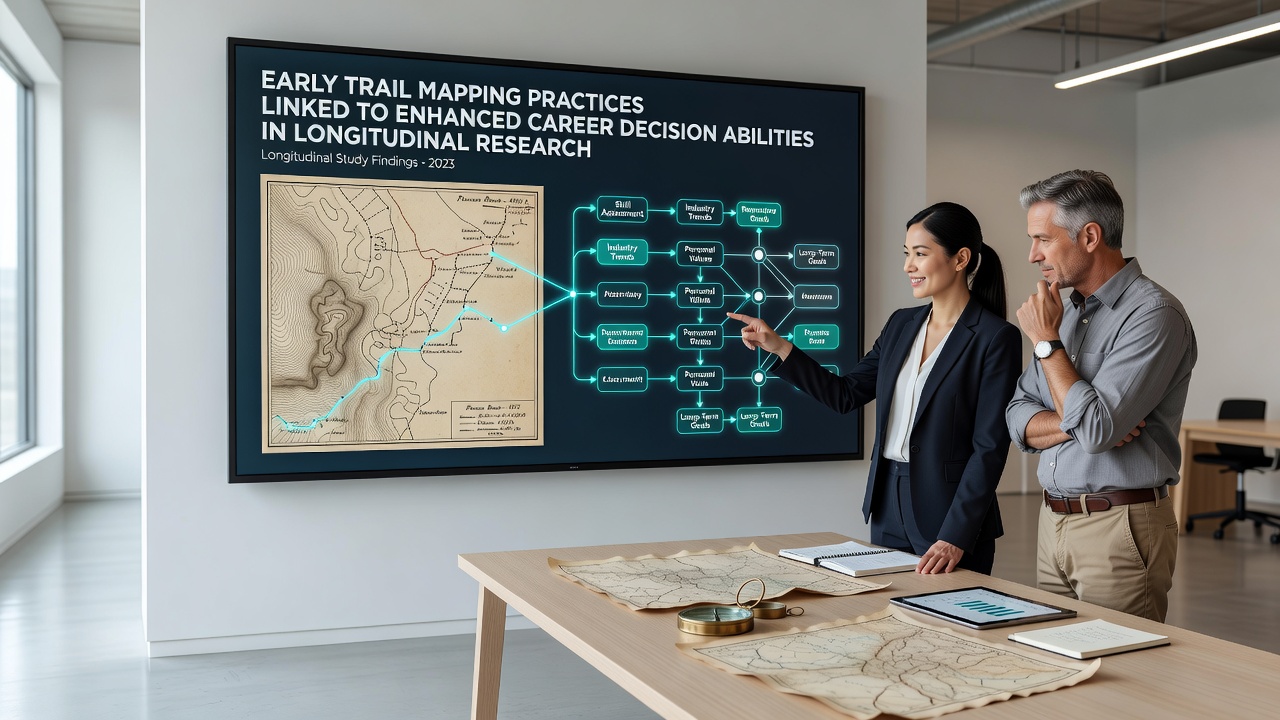
Studies conducted over multiple decades have begun to link participation in early trail mapping activities during childhood and adolescence with measurable improvements in career decision abilities later in life, according to findings from several ongoing longitudinal projects. Data collected from thousands of participants shows that individuals who engaged in structured mapping exercises as young people tend to demonstrate clearer goal-setting patterns, more adaptive responses to professional setbacks, and higher rates of sustained employment satisfaction by their forties and fifties.
Historical Context of Trail Mapping Practices
Trail mapping has existed across cultures for centuries as a method for documenting routes, resources, and seasonal changes, while researchers note that these practices often involved detailed observation, spatial reasoning, and collaborative planning. In contemporary settings, similar skills appear in educational programs that teach navigation through physical or digital landscapes, and evidence suggests these activities build foundational cognitive frameworks that transfer to other domains including professional development. One large-scale project tracking participants from age eight onward found that those exposed to mapping curricula scored higher on assessments of foresight and contingency planning, skills directly relevant to choosing and adjusting career paths over time.
Key Findings From Multi-Decade Studies
Longitudinal data gathered through repeated interviews, surveys, and performance metrics reveals consistent correlations between early mapping proficiency and later career outcomes, with participants who practiced trail documentation showing stronger abilities to weigh options, anticipate obstacles, and revise strategies when circumstances shift. Figures from a North American cohort study indicate that individuals with mapping experience changed careers fewer times on average yet reported greater alignment between their work and personal values, while parallel research in Australia highlights similar patterns among groups that incorporated geographic education into school programs. What's interesting is how these abilities compound, as people who've honed mapping skills early often apply systematic approaches to networking, skill acquisition, and milestone evaluation throughout their working lives.
September 2026 marks the release of updated interim results from a European collaboration involving over 4,200 subjects followed since the 1990s, and preliminary reports point to enhanced decision accuracy among those with childhood mapping backgrounds compared to control groups. The data shows reduced indecision during major transitions such as promotions or industry shifts, along with more proactive use of mentorship and resource mapping techniques.
Mechanisms Behind the Observed Connections
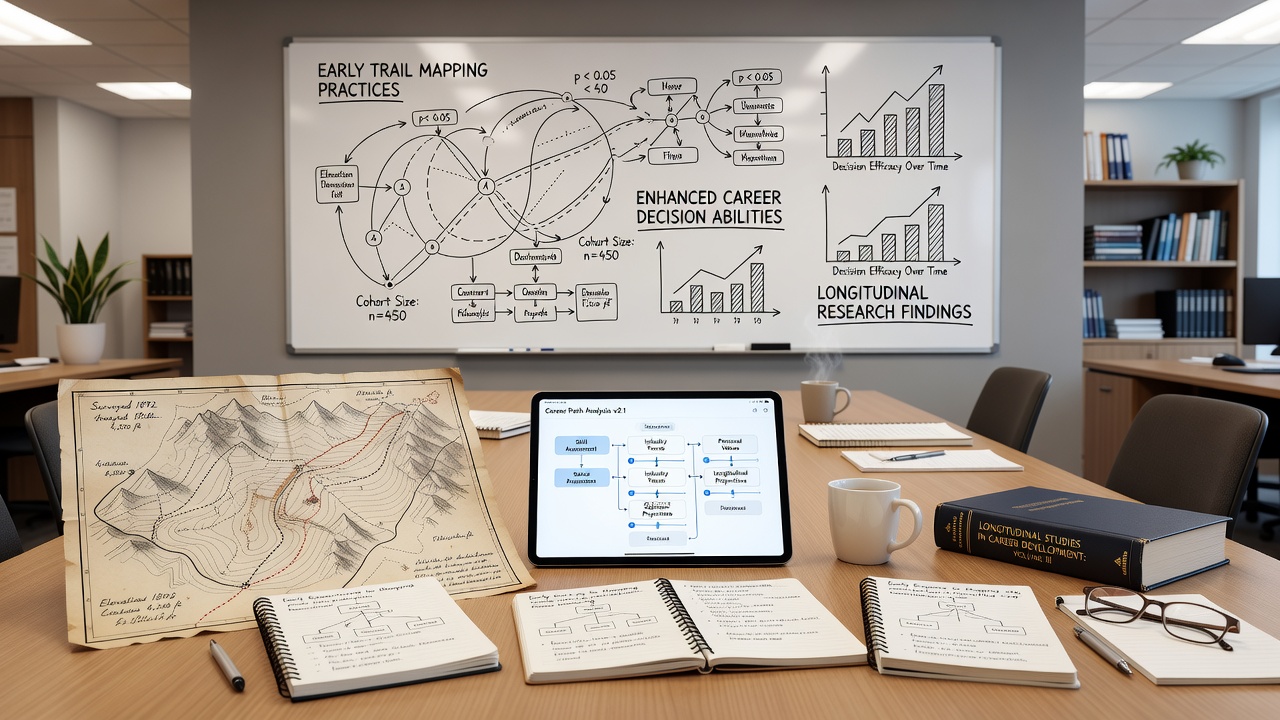
Experts have identified several pathways through which early trail mapping may strengthen career decision abilities, including the development of spatial-temporal thinking that helps individuals visualize long-term trajectories and potential branching points. Training in accurate record-keeping and iterative revision during mapping exercises appears to translate into better documentation of personal achievements and more flexible adjustment of professional plans, according to cognitive assessments embedded in the longitudinal protocols. Researchers also observe that collaborative mapping fosters communication and perspective-taking skills, which support effective negotiation and team-based career advancement in later stages.
Take one cohort in Canada where participants kept detailed journals of their mapping projects during middle school, and follow-up analysis decades later revealed stronger habits of breaking complex goals into sequential steps, a practice linked to higher rates of completing advanced degrees and certifications. The reality is that these foundational experiences create mental models for handling uncertainty, much like plotting alternative routes around unexpected terrain features.
Broader Implications for Education and Workforce Development
Programs integrating trail mapping principles into modern curricula have drawn attention from workforce analysts seeking to address skill gaps in strategic planning and adaptability, with some regions piloting cross-disciplinary modules that combine geography, technology, and personal development. Data from these initiatives indicates participants exhibit improved self-efficacy in career exploration tasks, such as researching occupational fields or constructing professional timelines, compared to peers without similar exposure. Government agencies in several countries now reference these patterns when designing youth employment strategies, emphasizing experiential learning that mirrors historical navigation practices.
Observers note connections to digital tools as well, where contemporary mapping software extends traditional methods and allows real-time updates that parallel the dynamic nature of today's job markets. Studies continue to track whether sustained engagement with these technologies amplifies the benefits seen in earlier analog formats.
Conclusion
Longitudinal research continues to uncover ties between early trail mapping practices and enhanced career decision abilities, with accumulating evidence pointing to transferable skills in planning, adaptation, and systematic thinking. As more cohorts reach mid-career stages, the patterns become clearer, offering insights for educators and policymakers interested in building resilient professional competencies across populations. The work ahead involves refining measurement tools and expanding geographic diversity in samples to confirm these associations hold under varied cultural and economic conditions.