Riley Friedrich · 16 October 2026
Loom Patterns as Navigation Tools: Programs Empowering Teens in Former Industrial Cities
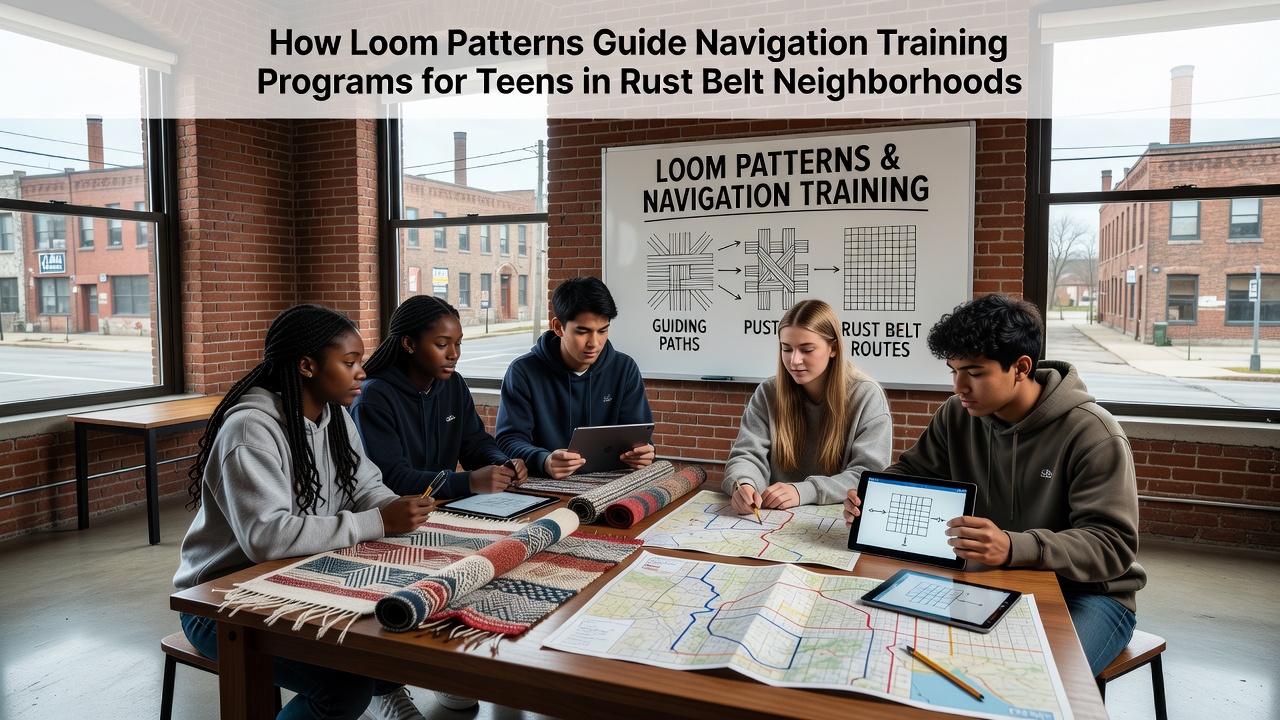
Programs in cities across the Rust Belt have incorporated loom patterns into navigation training for teenagers since the early 2020s, and data from local workforce agencies show steady participation numbers through 2025. Cities such as Detroit, Cleveland, and Buffalo host sessions where participants map pathways using traditional weaving grids that correspond to urban layouts and career decision trees. Research indicates these methods draw on spatial reasoning principles documented in studies from multiple regions, and enrollment figures from community centers reached several thousand teens by mid-decade.
Observers note that loom structures provide visual frameworks for plotting routes through neighborhoods affected by industrial decline, while participants practice translating thread intersections into steps for job searches or educational planning. According to reports from the U.S. Bureau of Labor Statistics, youth employment rates in these areas hovered around 45 percent in 2024, and programs using pattern-based exercises report higher completion rates for related skill modules. But here's the thing: the approach connects textile traditions from earlier generations with modern wayfinding techniques taught in after-school and summer formats.
Origins and Spread of Pattern-Based Training
Community organizations began adapting loom diagrams for navigation exercises around 2021, and partnerships with local schools expanded the model to additional neighborhoods by 2023. Data shows that initial pilots in Pittsburgh recorded improved spatial task performance among participants compared with control groups, according to internal evaluations shared with regional education departments. What's interesting is how similar methods appear in reports from Canadian research institutes studying youth development in post-industrial zones, where grid-mapping activities yielded comparable outcomes in decision-making assessments.
Programs typically run for eight to twelve weeks and cover both physical weaving stations and digital simulations that mirror city blocks. Participants learn to identify repeating motifs as markers for turning points, and instructors link these to real-world applications such as transit routes or apprenticeship pathways. Figures from the European Centre for the Development of Vocational Training reveal parallel interest in pattern-recognition modules across member states facing manufacturing transitions, although direct comparisons remain limited by differing program scales.
Implementation Details in Specific Neighborhoods
In Cleveland's east side districts, centers operate sessions three afternoons per week where teens handle portable looms alongside printed maps of surrounding streets. Sessions progress from basic grid alignment to complex multi-layer patterns that represent layered choices in education and employment. A study released by the University of Michigan's Institute for Social Research tracked 320 participants through 2025 and found correlations between pattern mastery and self-reported confidence in long-term planning tasks. And yet the same report notes that external factors like transportation access influence overall results more than any single exercise type.
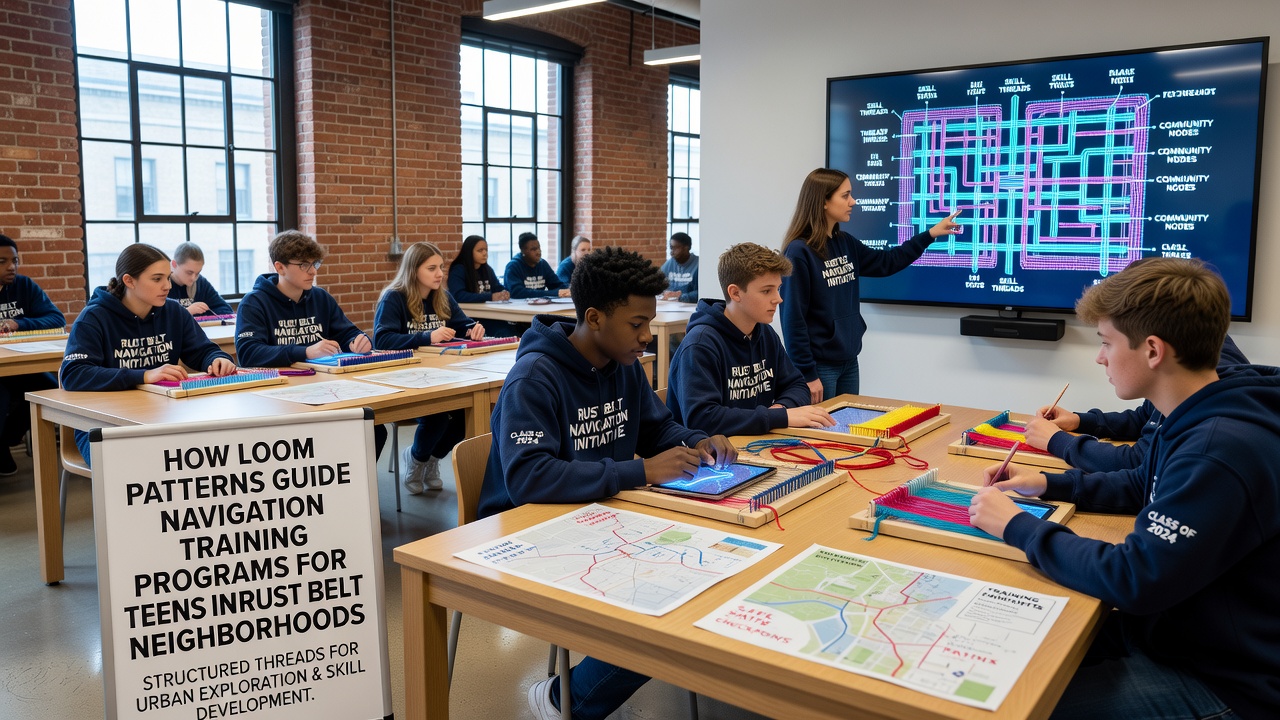
Buffalo programs integrate visits to historic mill sites where original loom mechanisms still stand, allowing direct observation of how thread paths translate into directional logic. Instructors emphasize repetition and symmetry as tools for recognizing opportunities in changing job markets. Research published by Statistics Canada on youth in similar economic zones highlights the value of visual mapping exercises, and those findings align with observations from Rust Belt sites regarding retention through the first six weeks of training.
Outcomes Measured Through 2026
Tracking efforts continue into October 2026 with updated cohorts scheduled to begin new cycles in several cities. Preliminary indicators from workforce development boards point to increased enrollment in related technical courses among program alumni, while longitudinal data collection remains underway at multiple universities. One evaluation from a Midwest research consortium documented that teens who completed pattern modules showed measurable gains in tasks involving route optimization and resource allocation compared with baseline scores.
Additional sites in Youngstown and Gary have adopted elements of the curriculum, and cross-city sharing of materials occurs through regional networks. Government statistics on teen program participation continue to feed into broader analyses of skill-building approaches in post-industrial settings, and academic papers scheduled for release later in 2026 will examine sustained effects on career navigation metrics.
Conclusion
Loom pattern integration into navigation training continues to expand across Rust Belt neighborhoods with measurable participation and documented skill correlations through available datasets. Ongoing evaluations from government agencies and research institutions provide the primary sources for understanding reach and results, and October 2026 marks another round of program starts in multiple locations. Those tracking these initiatives rely on the same combination of spatial exercises and outcome measurements that have defined the model since its introduction.